Automation
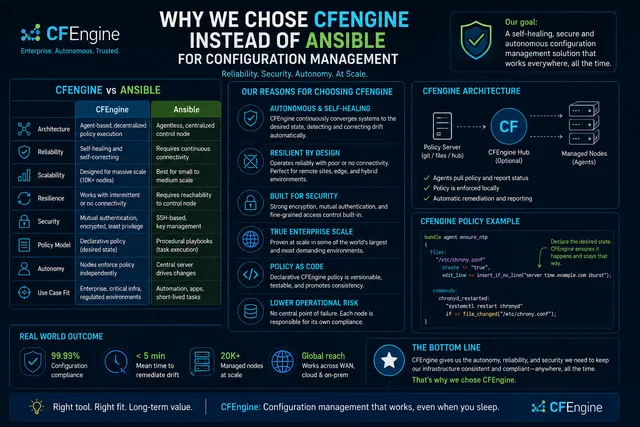
Why We Chose CFEngine Instead of Ansible for Configuration Management
Ask ten engineers which configuration management tool to use and nine will say Ansible. We went the other way.
Hands-on guides from running real infrastructure: Kubernetes, DNS, load balancers, storage, CI/CD and infrastructure as code. Mostly the parts that broke, and how I fixed them.
Ask ten engineers which configuration management tool to use and nine will say Ansible. We went the other way.
Ever wished your AI assistant could actually remember things between conversations?
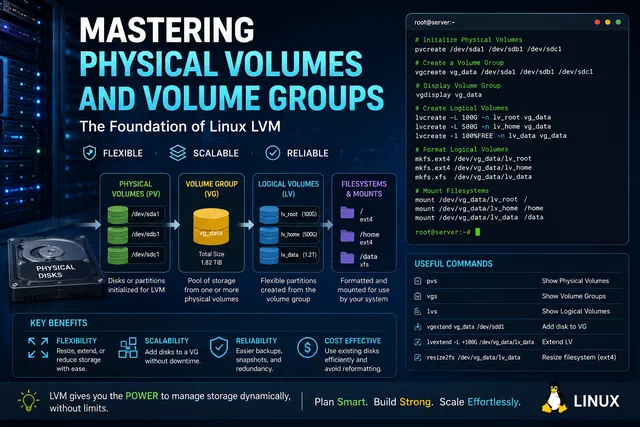
Say goodbye to downtime when you need more storage Running out of disk space on a production VM is stressful enough without the added headache of…
Preface: If you're running Jenkins in an internal datacenter and using Bitbucket Cloud for source control, you've likely hit this wall: Bitbucket …
Monitoring HAProxy is essential for maintaining reliable load balancing infrastructure.
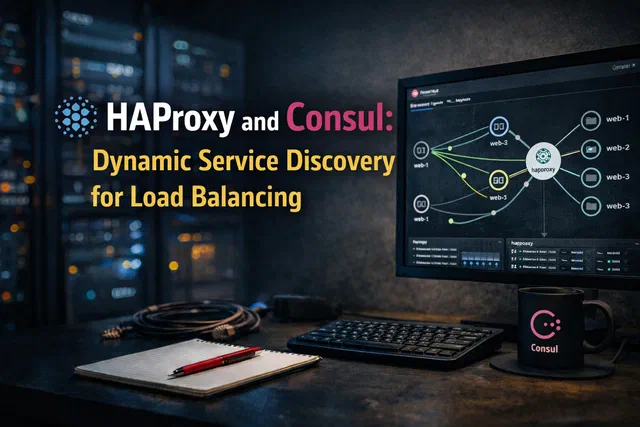
In dynamic environments where services scale up and down automatically, static HAProxy configurations become a management burden.
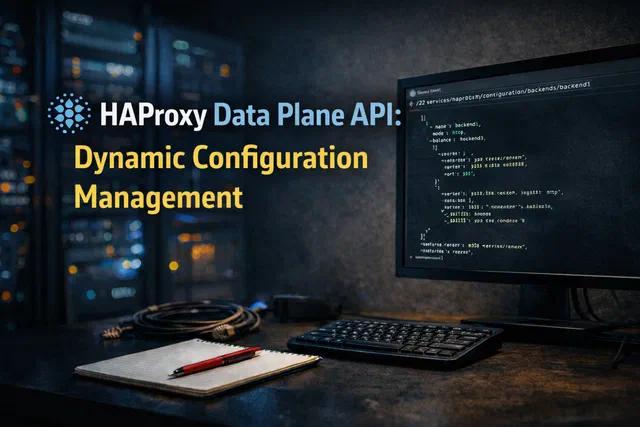
Managing HAProxy configuration traditionally requires editing files and reloading the service.
Mutual TLS (mTLS) provides strong authentication by requiring both client and server to present certificates.
When applications misbehave behind a load balancer, HTTP headers are often the culprit.
HTTPS is no longer optional - it's a requirement for modern web applications.
DNS is critical infrastructure - when DNS fails, nothing works.